
Working in
PRODUCTION
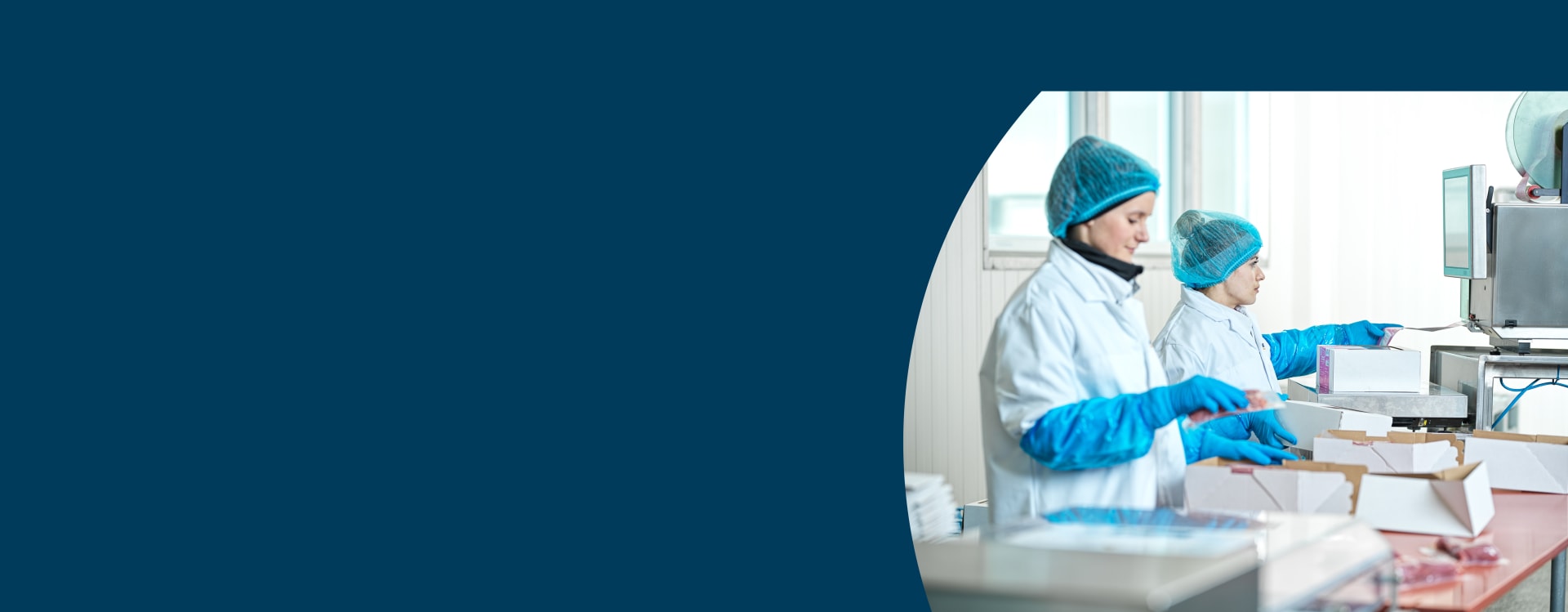
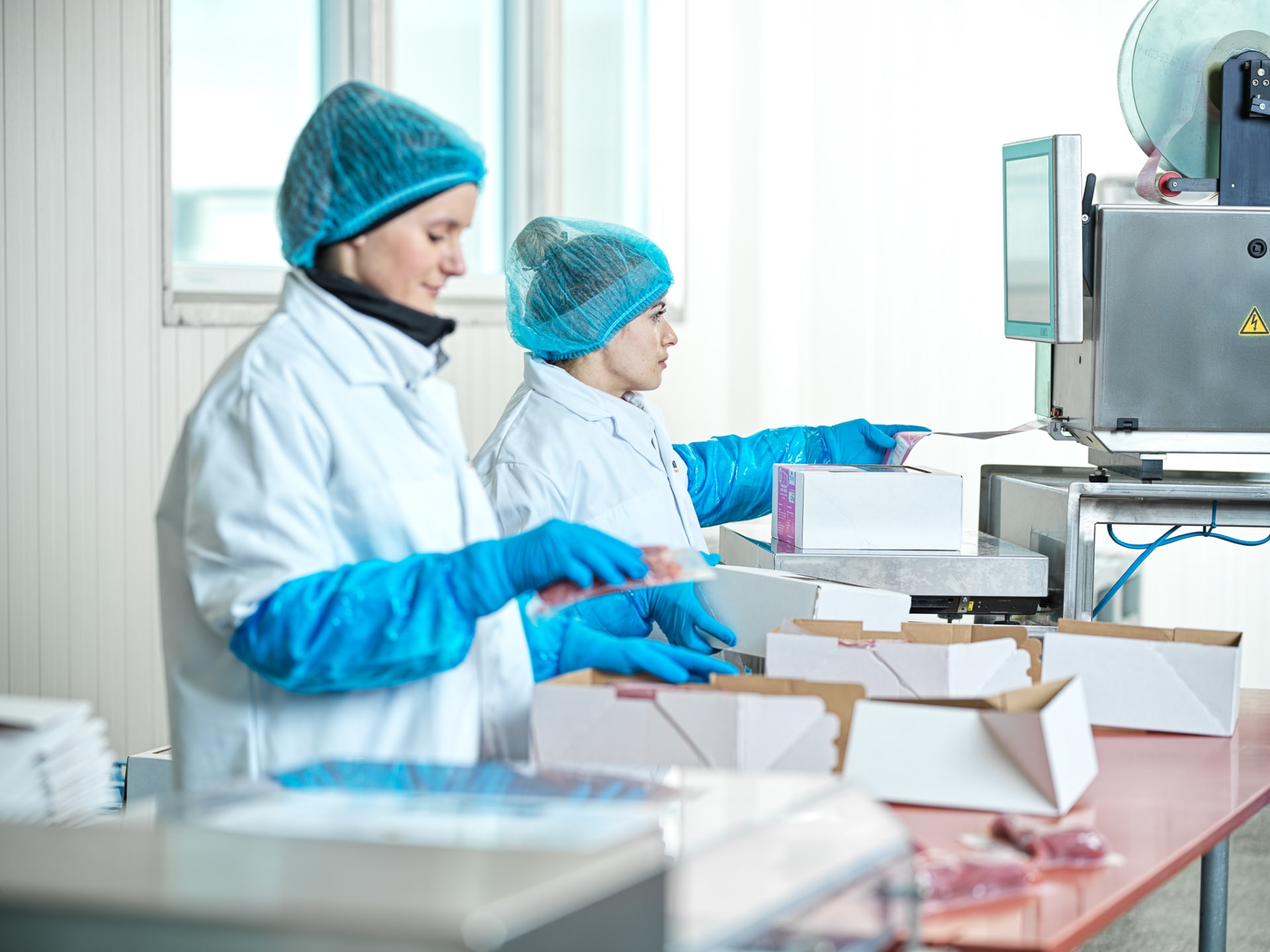
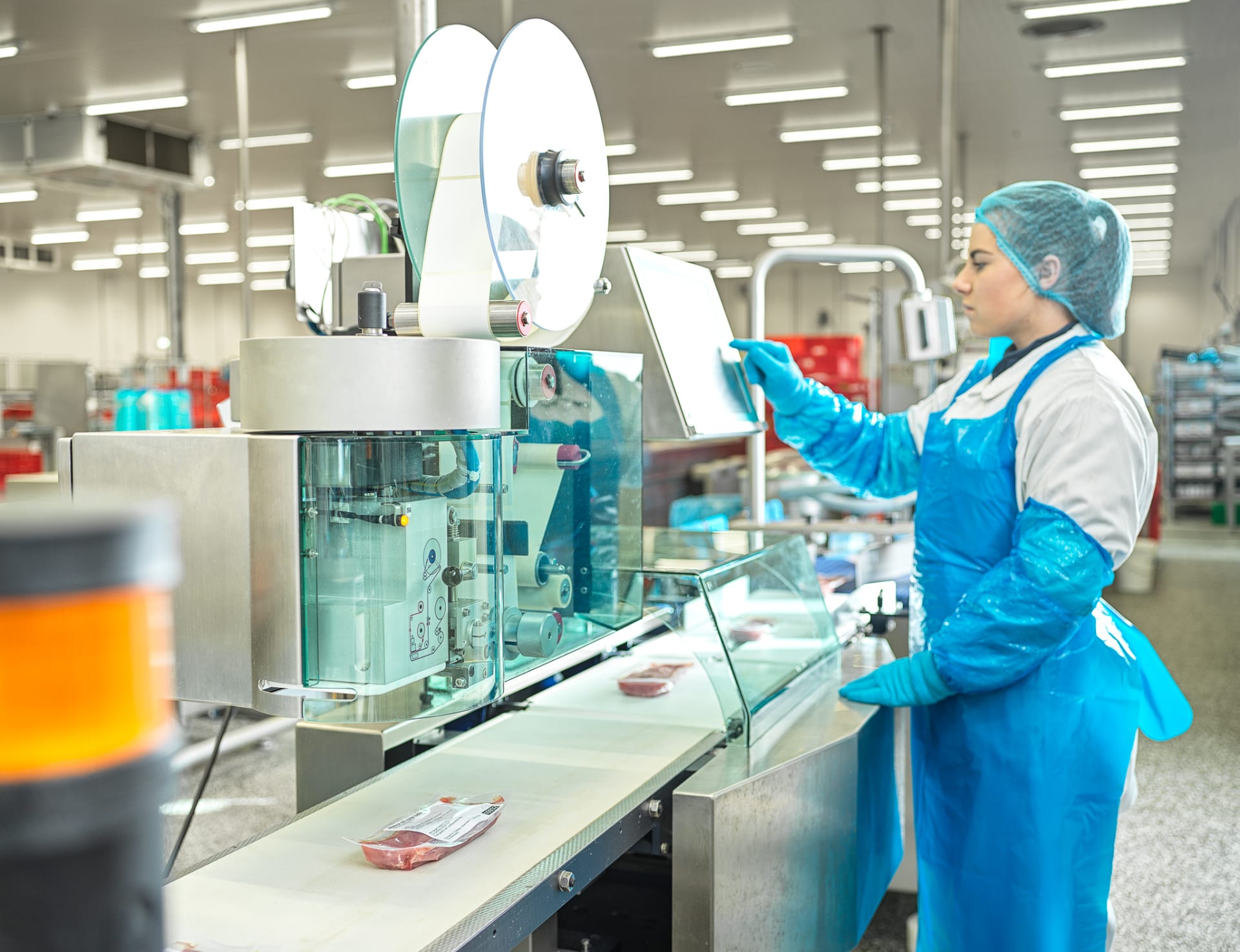
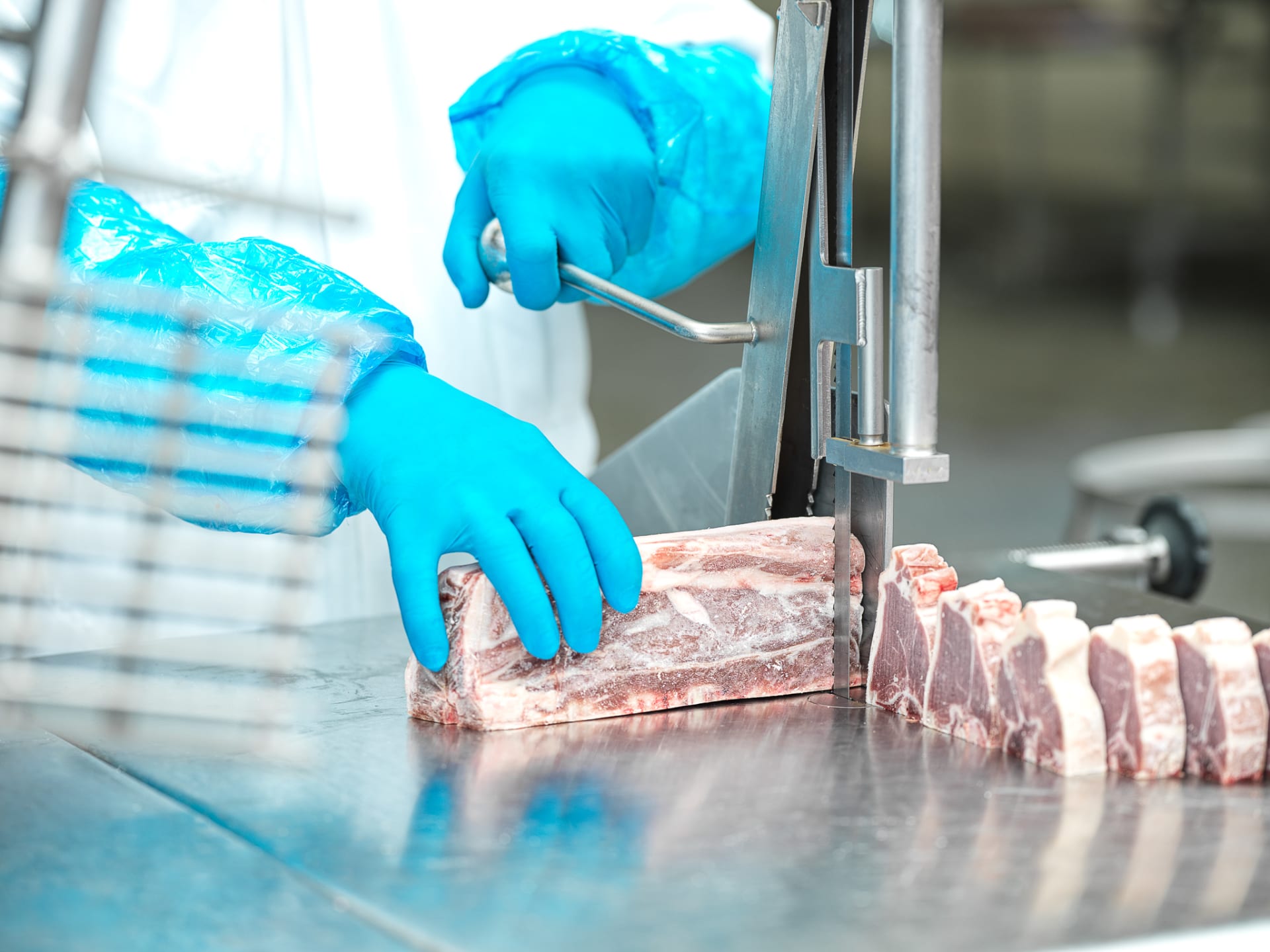
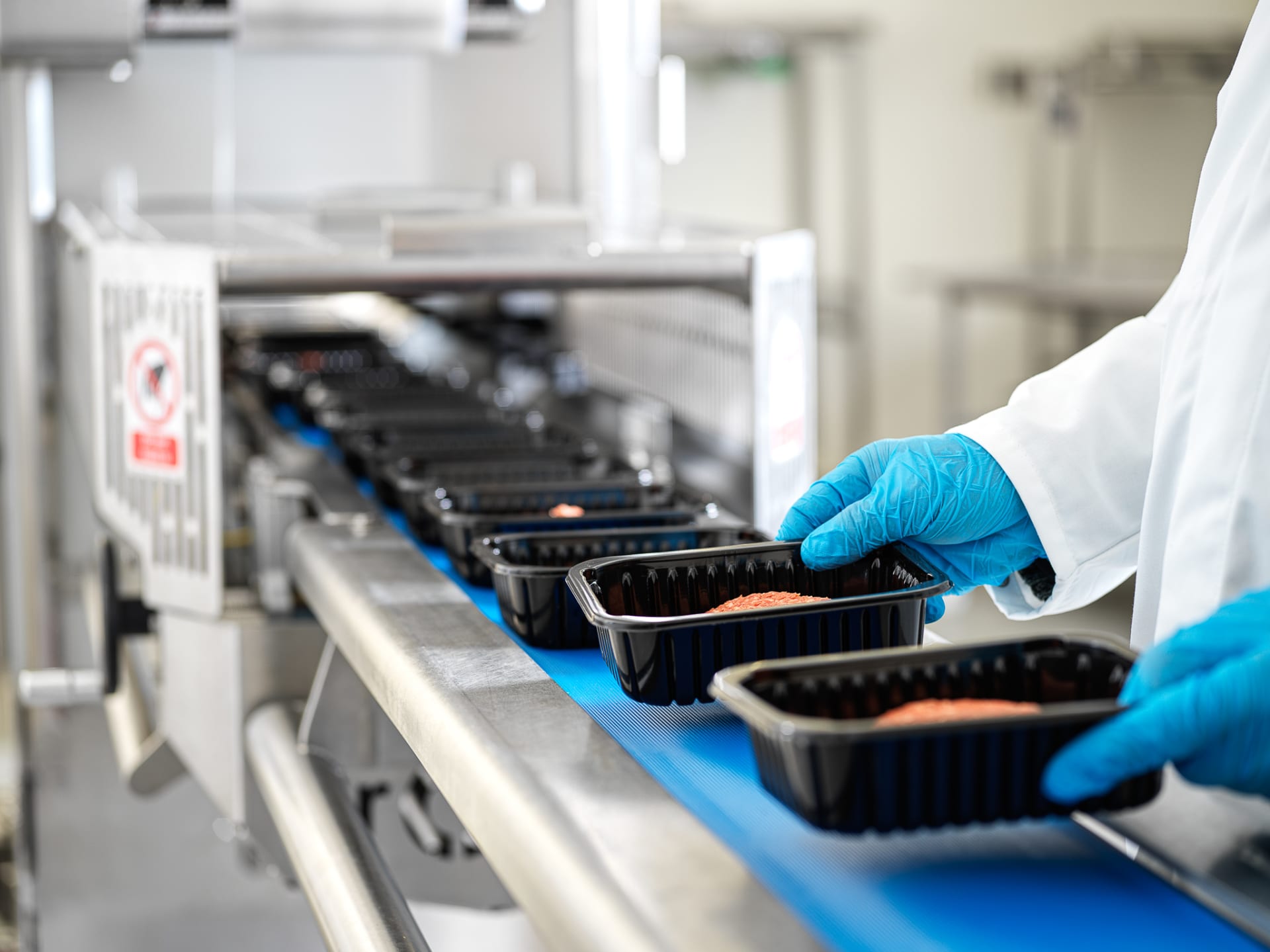
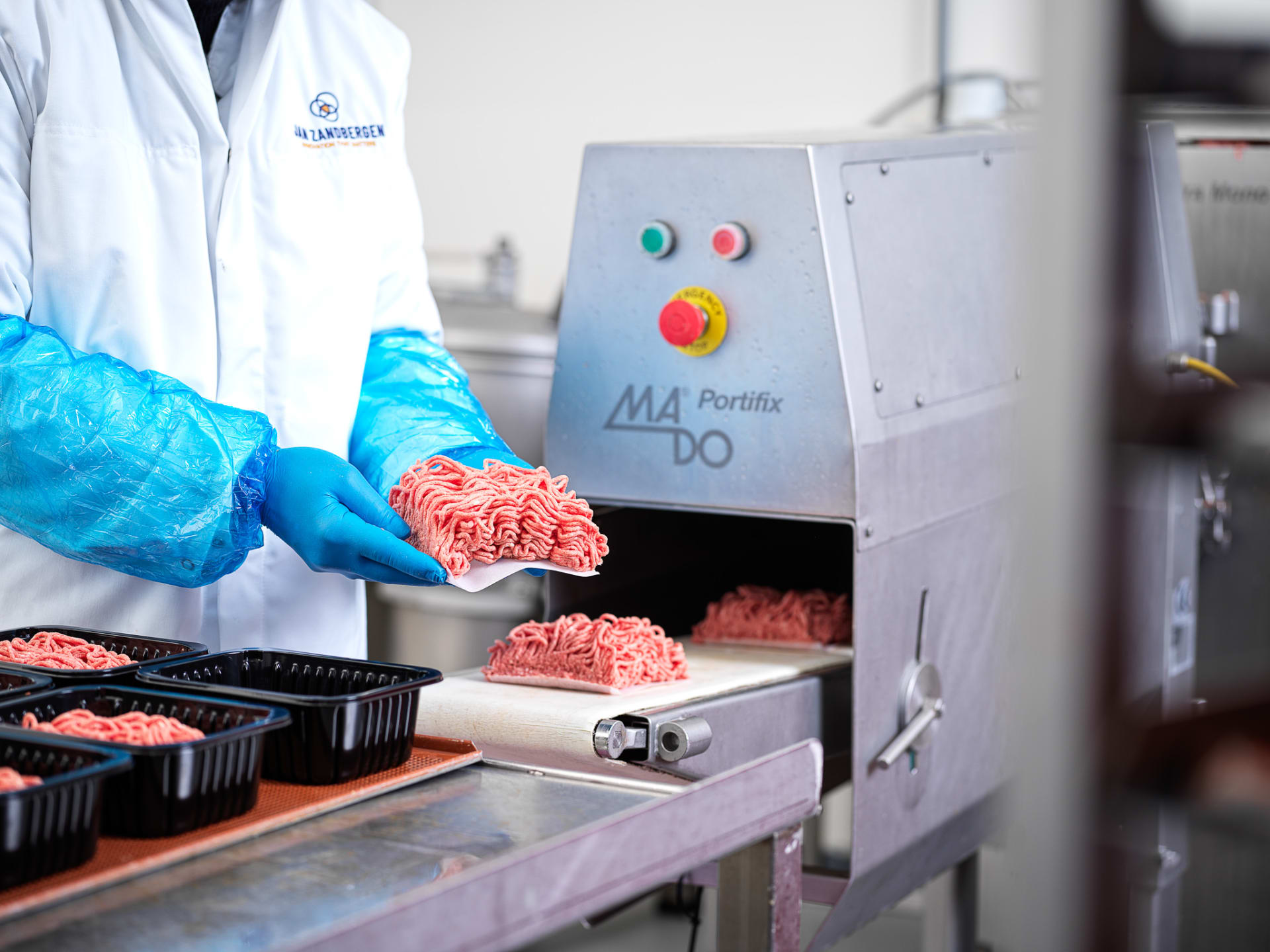
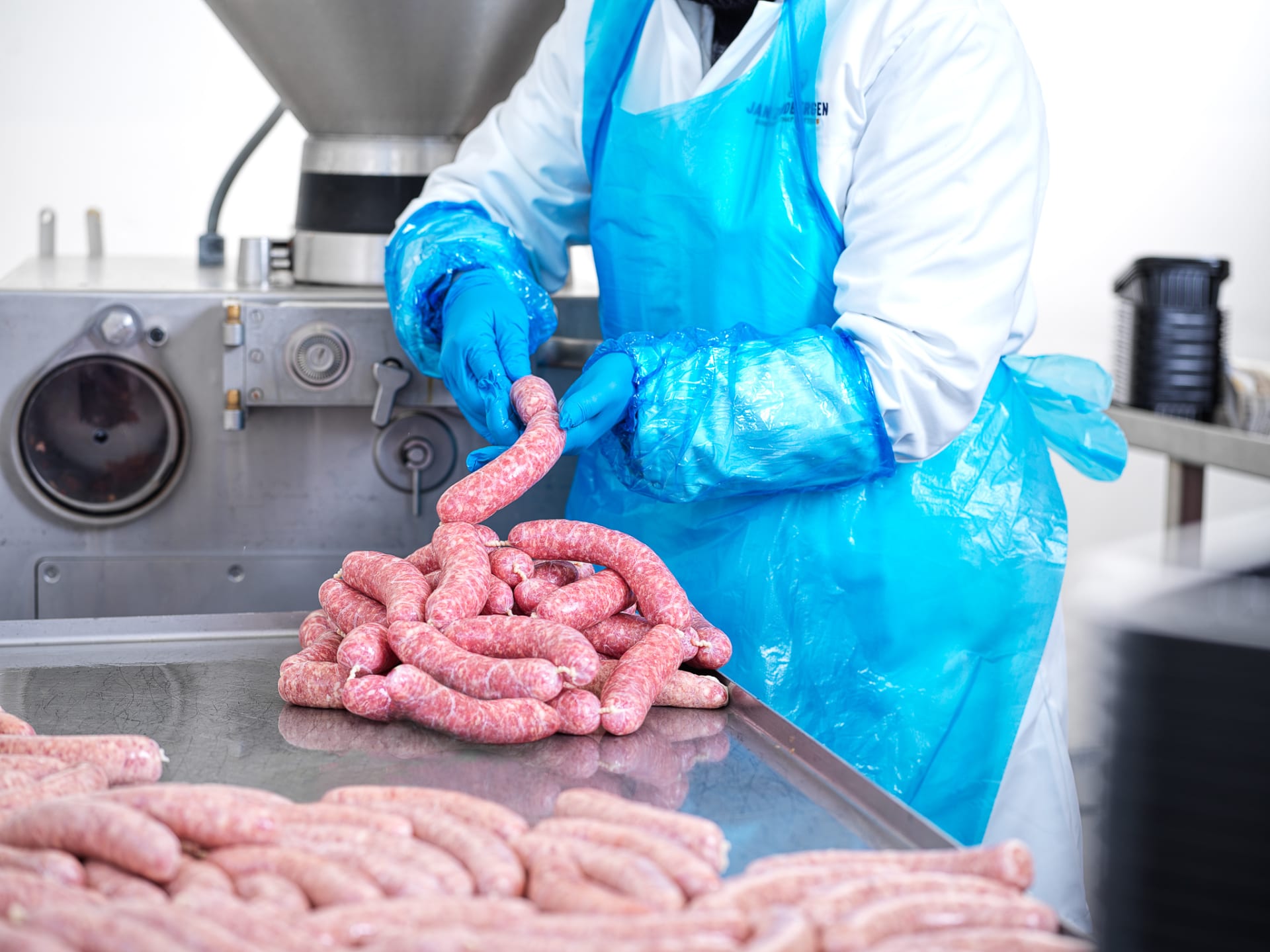
Every day, we produce and package meat products and plant-based alternatives for customers across Europe. This requires craftsmanship, technical expertise and effective teamwork. You might be cutting and processing meat, preparing and packaging products, operating machinery, or ensuring that work runs smoothly within your team. Whatever your role, you’ll be contributing to a safe production process and ensuring our products meet our quality standards. From butchers and production staff to machine operators and team leaders: there are various opportunities within our production department.
Together, you produce goods for the hospitality industry and wholesalers, which ultimately end up on people’s tables.
Whether you’re cutting, packing or checking products, you ensure quality, safety and hygiene every day.

You work hard, share a laugh, and help each other out when things don’t go as planned.

Learn on the job, take on more responsibility, and advance into roles such as apprentice butcher or operator.
Production is all about working together. One colleague prepares products, whilst another operates machinery or carries out quality checks. Every step must go smoothly to produce the right end product. We work in accordance with clear guidelines on hygiene and food safety. This requires attention and discipline. If you notice something isn’t quite right or could be improved, discuss it with your colleagues or manager. That way, we ensure a high-quality and safe production process together.
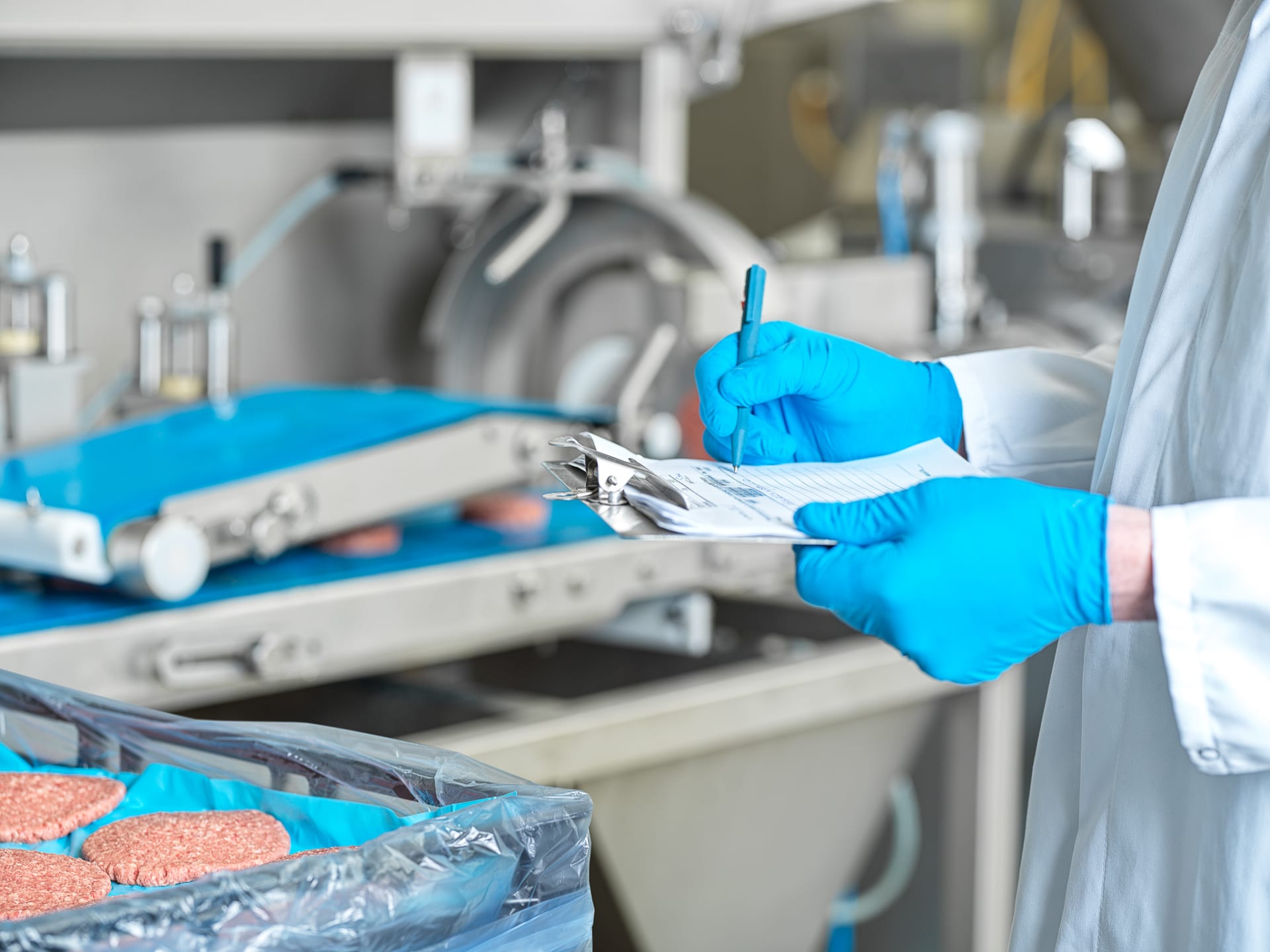
In production, you learn a great deal by doing the work. You’ll be given an explanation of the tasks, the machinery and the rules regarding hygiene and food safety. Depending on your role, you can develop your skills further in operating machinery, carrying out quality checks or organising work. Do you aspire to become an operator or take on more responsibility? If so, we’ll discuss what experience, training or guidance is required to achieve this.
“What makes Jan Zandbergen special for me is the fact that there are opportunities for career progression, which I have made use of. I moved from the dispatch department to the repackaging department as a coordinator, where I can put my planning skills to good use. One moment I am consulting with other departments, the next I am back to the order of the day, with new challenges every day. The internal culture is very varied.“Ronald Schenk
Coordinator PPL
Perhaps you already have years of experience working is a warehouse. Or maybe you're looking to learn something new. Do you have any questions about the job, working hours, or opportunities? Feel free to get in touch; we're happy to help.
Not for every role. For some production roles, you can learn the work on the job. For roles such as operator or team leader, relevant experience is often more important. We look at what you can already do, what you want to learn and which duties suit you.
In production, you can work as a butcher, cutting and processing meat, or work on the preparation and packaging of meat products and plant-based alternatives. You can also operate machinery, carry out quality checks or coordinate activities. Tasks vary by department and production site. Our vacancies explain what you will be doing and who you will be working with.
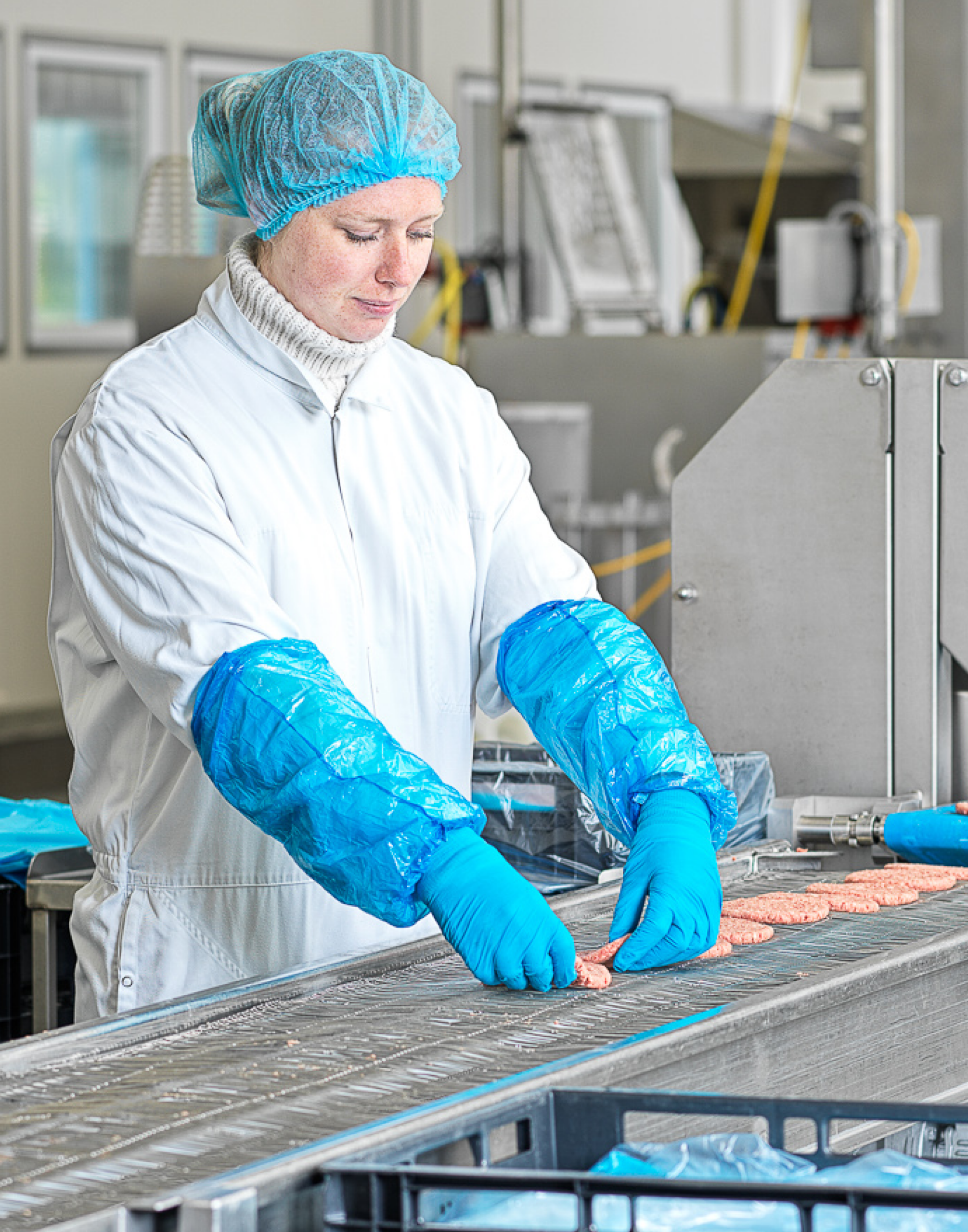
Because we work with food products, food safety and hygiene are important. You work according to clear instructions and wear protective clothing where necessary. When you start, you will be briefed on the rules that apply to your work. In this way, we work together to ensure a safe working environment and high-quality products.
No, you will not work in a shift system. Working hours depend on the department, site and role. Some work takes place during the day, while other roles also involve working in the evening. The vacancy states which working hours apply, so you know in advance what to expect.
Yes, this depends on the role and the opportunities available. Within production, some duties require specific knowledge of machinery. You can gain this knowledge through guidance, practical experience or suitable training. We take your experience and the needs of the team into account.
Depending on your experience and the opportunities within the organisation, you can learn new tasks, specialise or progress to a role with more responsibility. Examples include working as an operator or in a coordinating role. We are happy to discuss which development suits you.
After you apply, we review your experience and motivation. If we see a good match, we will call you for an initial introduction. We will then invite you for an interview and a trial day at the production site. This gives you a good impression of the work, the working environment and your future colleagues. If we are both positive, we will make you an offer.